
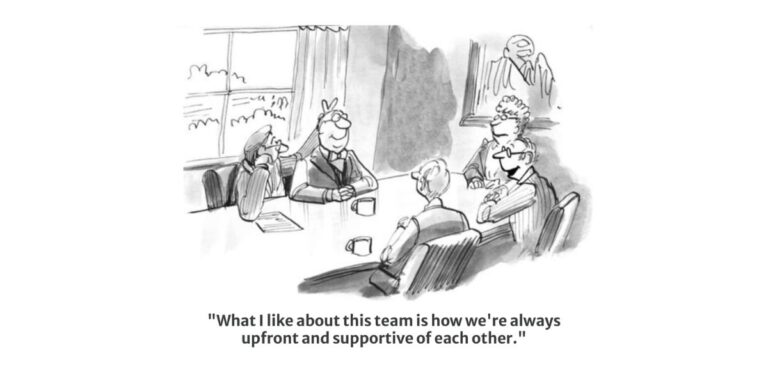
Building a strong business culture isn’t about motivational posters, company retreats, or free snacks—it’s about how people feel when they walk through the door (or log in). It’s about trust, respect, and shared ownership of both problems and successes.
Over the years, I’ve built several companies, each with its own challenges—but every one of them had a common thread: a culture grounded in honesty, empathy, and being human. The result? Teams that worked hard, cared deeply, and wanted to stay.
Here are the ten most important things business owners should know if they want to create a culture where people truly want to work.
1. Lead with Honesty — Always
Your team doesn’t expect perfection; they expect truth. Be transparent about wins and losses, challenges and goals. People rally around a leader who’s real, not one who hides behind corporate speak. Be human. I assume you all are, right? More on this at the end.2. Practice Empathy Every Day
Empathy isn’t weakness—it’s awareness. It actually can be a superpower. Understanding what drives and challenges your people helps you make better decisions and build deeper loyalty.3. Focus on Solutions, Not Blame
When something fails, skip the finger-pointing. Treat every setback as a shared problem to solve. Ownership replaces fear when employees know mistakes are opportunities to learn, not reasons to be punished. It also encourages agreed-upon risk-taking and creativity in building the company, knowing that ideas are welcome.4. Communicate — and Then Communicate Again
Silence breeds rumors, and rumors breed drama. Keep people informed. Clear, consistent communication eliminates the gossip that destroys trust in small teams.5. Don’t Tolerate Drama or Gossip
Drama is poison in a small business. Address it quickly, directly, and fairly. A culture of respect can’t survive if negativity is left unchecked.6. Give Feedback, Don’t Criticism
People thrive when they know where they stand—but tone matters. Replace criticism with coaching. Discuss what can be improved, not what went wrong. When people feel safe, they grow. Oh, and never, never, never talk negatively about or criticize an employee in front of others. I never understood why such a simple rule is so often ignored. It is poor leadership.7. Hire for Attitude, Train for Skill
A brilliant résumé means little if the person doesn’t fit your culture. Skills can be taught; values and integrity can’t. I left skill interviewing or trainability to others. I was always the last person a potential new hire met with because cultural integrity was everything to me, and they had to fit the environment.8. Recognize Effort, Not Just Results
Wins are great, but effort builds character. Celebrate persistence, collaboration, and creativity—the things that keep your company moving even when results take time.9. Be Human — Not a Title
Leaders who admit mistakes, show vulnerability, and treat people as equals create environments where employees do the same. Respect flows both ways. Incidentally, my business cards never carried a title, and people were shocked when they found out who I was. Check your ego at the door. People don’t follow egos; they follow passionate and compassionate people.10. Protect the Culture Relentlessly
Culture is like a garden—it flourishes when tended and decays when ignored. Every new hire, every policy, every reaction either strengthens or weakens it. Guard it fiercely. Remember, if you are a business of one, your next hire is 50% of your culture. Choose wisely.The Bottom Line
A positive culture doesn’t just make people happier—it makes your company stronger, more resilient, and more profitable. Employees who feel respected and supported don’t just show up; they show ownership. At Accounting Elements, we believe great culture starts with great clarity—in leadership, in expectations, and yes, in your numbers. Clear financials support clear decisions, and that clarity extends to how you lead people. Build your culture with integrity, and you’ll build a company others want to be part of—and never want to leave. Turnover is expensive for companies of any size, and Accounting Elements is here to help you understand when to hire, what the loaded costs are, and how to grow with awareness.Ready to move forward
Tell us about your business and let's talk about what's possible together.